What this edition leaves behind
A road race changes the city differently from a seated arena event. Visitors watch a moving course and familiar streets may cease to function as normal walking routes. The final classification records the outcome of a long competition; one viewing point in Paris does not show its whole story. A finish-day visit involves choices between capturing an image and enjoying the day comfortably. Staying around one viewing area rather than chasing every location can be easier for children or a large group.
What can a future visitor learn?
Do not copy the 2026 route for another edition. Research that year’s municipal and organiser notices on closures and spectator access. Do not assume normal vehicle access to your hotel door; confirm meeting arrangements outside the race route. The Paris Marathon archive explores a similar city-scale question through another sport. In a family plan, considering food, toilets and resting while waiting before chasing a photograph can help everyone remember the day more fondly.
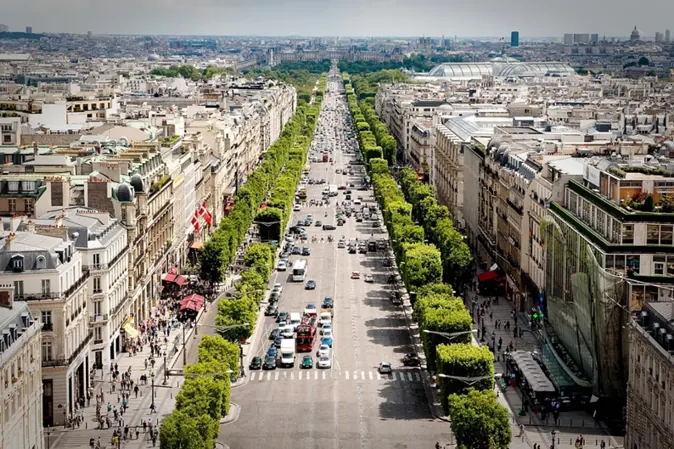
Consider arrival, exit and your return journey before setting off.
A fleeting race and a day built around it
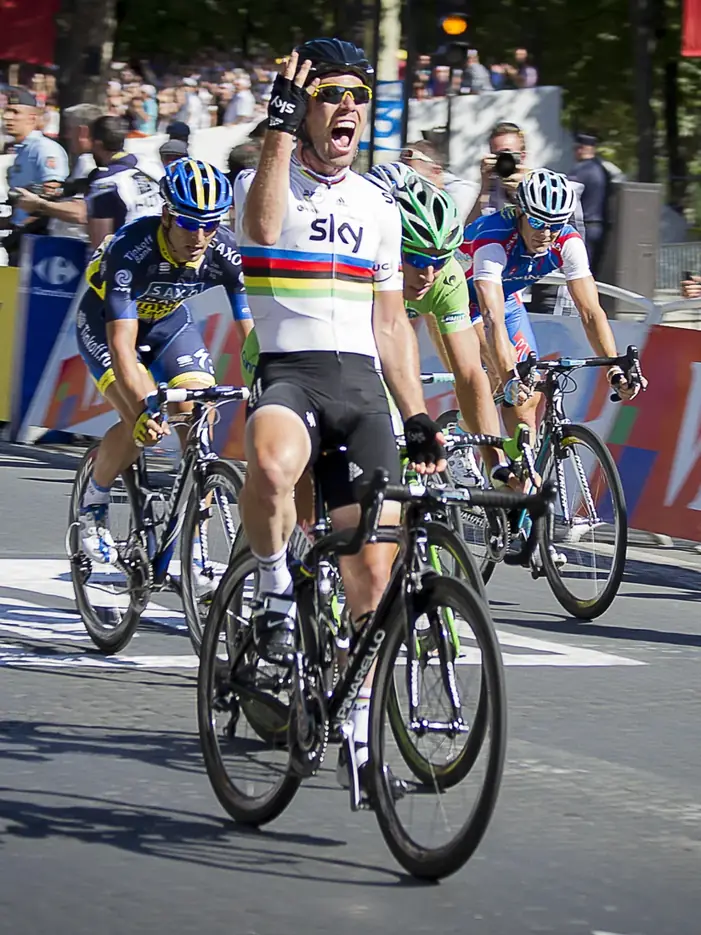
Watching road cycling in person differs from continuous television coverage. At one viewpoint there is waiting, a brief intense passage and more waiting. Planning only for the best photograph can hide your companions’ needs. Toilets, food and a reachable reunion matter alongside the view.
The 2026 final stage was Thoiry–Paris. A stage result and the three-week general classification are different rankings. Remembering that distinction is more useful than assuming another edition follows identical roads.
If a companion does not want to wait for racing, agree a separate nearby activity and a reachable meeting point. Waiting for streets to reopen belongs to the day too; do not build the return around an immediate restoration of normal vehicle routes.
Read a stage result separately from the overall standings
Winning one stage and leading the entire race are different results. The official 2026 Paris-finish page separates classifications. Knowing which you are following explains the final day: one story concerns that day’s contest, another the standings built over weeks. For a city visitor, distinguishing them connects a brief roadside view with the wider sporting story.
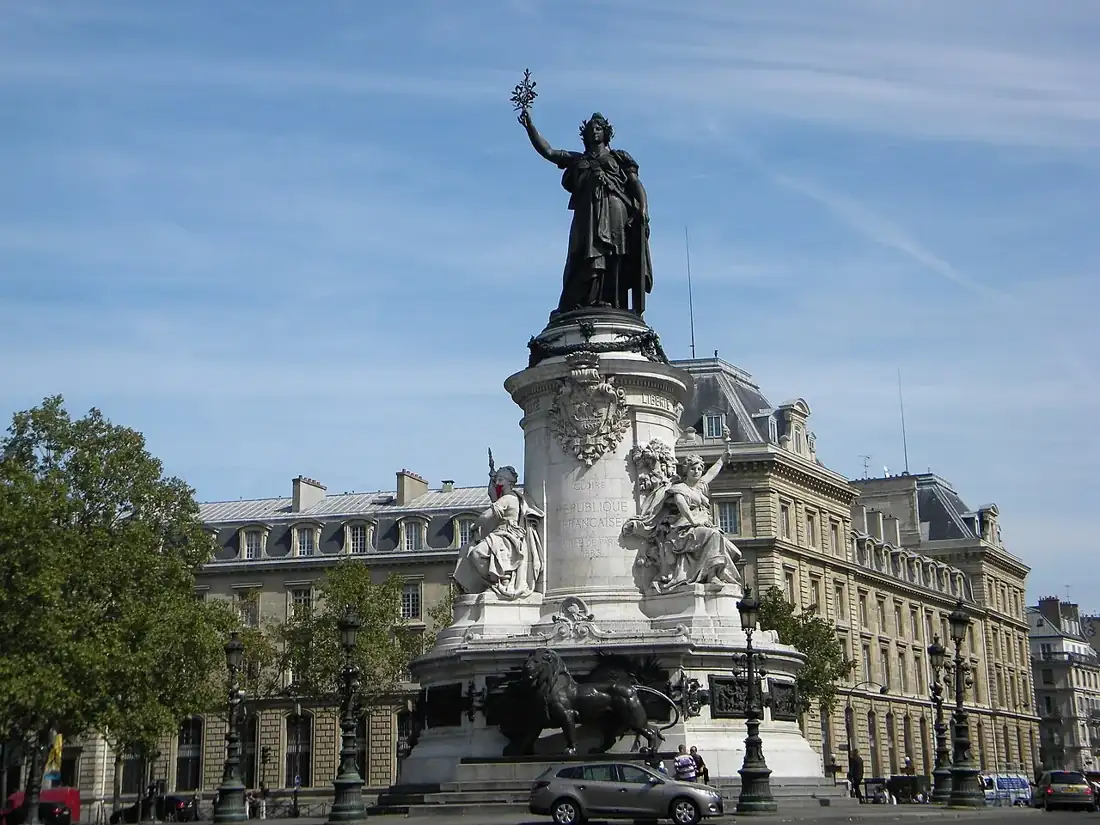
Your side of the road belongs in the plan
At another road race, consider the direction of departure as well as the viewing point. A hotel or reunion across a closed route can look close on a map while access differs. Official spectator and safety information should guide that decision. The Paris Marathon archive explains separate runner and supporter plans; the hotel guide connects the day’s first and last addresses.
A race day is not an ordinary city day
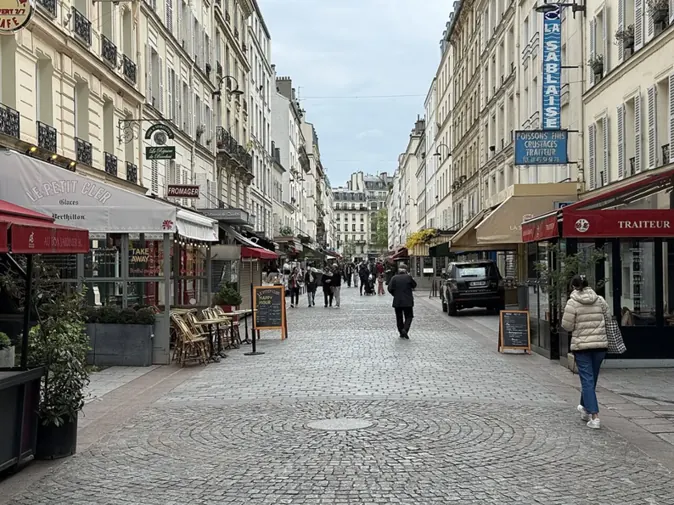
On a later visit, do not use the race’s road arrangements as a normal-day route. The Paris metro and RER guide explains the basis of a new transport decision. This archive instead shows how a sporting day changes the way you read the city.
An editorial review based on official programmes and published results. It does not claim eyewitness attendance; travel suggestions are our analysis.

Your Paris plans. Your next journey.
Explore private transfers between your airport, hotel and event.
Plan your transfer
Sources and review date
Sources used for event information. Check the programme and ticket conditions on the relevant site before booking.
Sources last checked:
Guides to complete your visit
Explore our other guides to transport and discovering Paris.