What this edition leaves behind
A marathon visit contains two parallel journeys. The runner prepares and needs recovery afterwards; companions choose viewing points, communication and reunion arrangements. Times on the elite result sheet are not targets or predictions for an amateur participant. The useful travel question is that coming together does not mean remaining in the same place throughout. Knowing both sides of the day reduces the burden of searching for each other after the finish.
What can a future visitor learn?
For another race, prepare separate outlines for runner and supporters. Check that edition’s baggage, number collection and finish instructions. Avoid a reunion point made unreachable by the closed route. The Tour de France finish offers another example of roads becoming an event space. When choosing a hotel, ask directly about room access, showers and luggage after the race. These suggestions concern journey organisation, not training or medical advice.

Consider arrival, exit and your return journey before setting off.
Two different days for runner and companion
Elite finishing times are easy to find in a marathon result, but a travelling group has a wider story. While a runner prepares for the start, a companion considers where to wait, which viewpoint is reachable and how to reunite afterwards. One holiday contains two different days.
One main viewing point and an accessible rendezvous may work better than racing between distant sections. Crossing a line on a map looks simple; crossing the course that day may not be possible. Agree which side you will remain on as well as a street name.
Back at the hotel, showers, room access and luggage become important. Ask about late checkout when booking rather than solving it when tired, and confirm acceptance separately. This is travel organisation, not a training plan: leave space for both people’s journeys.
Two perspectives on one race day
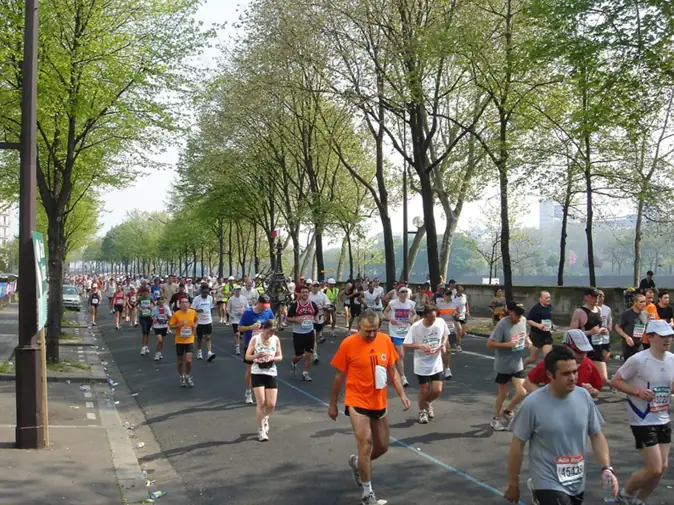
For a runner, the day has start, course and finish; for a supporter, waiting, watching and reunion. Being in Paris together does not mean staying side by side. The 2026 results record elite competition, while a visitor pursuing a personal goal plans around their own instructions and needs. Discussing that difference makes even a simple post-finish request easier to understand.
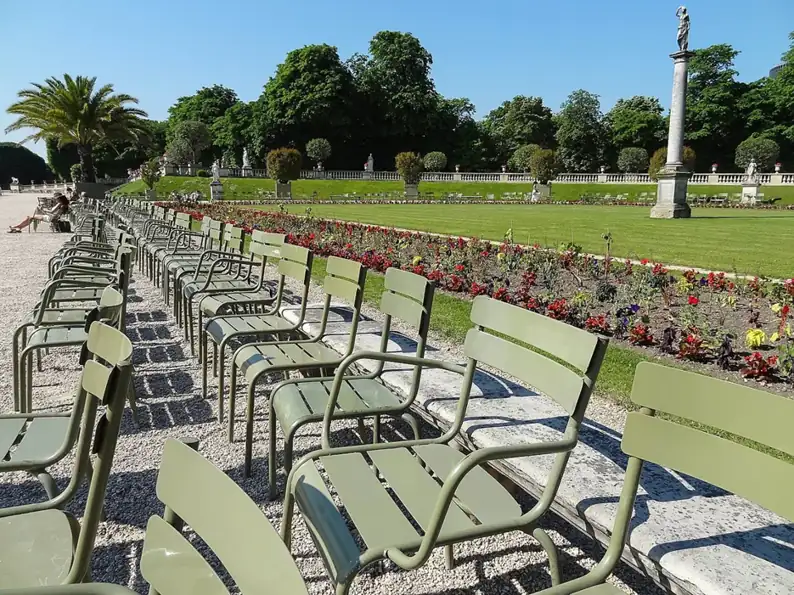
Which small help matters after the finish?
Ask what the runner wants instead of assuming a long city visit would be welcome. Sitting quietly, reaching belongings or returning to the hotel may come first. Agree beforehand what a supporter is willing to carry. Hotel checkout and luggage arrangements affect the final day. As the Tour de France archive also shows, a reunion address needs to be accessible when roads become event space.
Make room for a supporter’s free time
While the runner rests, a companion may prefer a separate cultural visit. The Rodin and garden guide explores that interest. Treat it as an independent choice for another person, not a recovery recommendation for the runner.
An editorial review based on official programmes and published results. It does not claim eyewitness attendance; travel suggestions are our analysis.

Your Paris plans. Your next journey.
Explore private transfers between your airport, hotel and event.
Plan your transfer
Sources and review date
Sources used for event information. Check the programme and ticket conditions on the relevant site before booking.
Sources last checked:
Guides to complete your visit
Explore our other guides to transport and discovering Paris.