What this edition leaves behind
A night visit creates a different kind of closeness: a building passed by in daylight can become a frame for art. The Institut’s record shows an edition built around identifiable projects as well as street exploration. One institution’s positive outcome does not describe everyone’s experience across Paris. A useful archive keeps a concrete example within its limits rather than multiplying one venue’s figure into a citywide record.
What can a future visitor learn?
For another art night, choose one anchor work or venue and investigate nearby alternatives. Do not assume every museum stays open until morning; participating sites can have different access hours. The night return guide makes last connections and meeting points explicit. The heritage-weekend archive shows another, daytime way of discovering doors and interiors. Keeping opening and reservation conditions distinct is a small detail that can prevent a large disappointment.
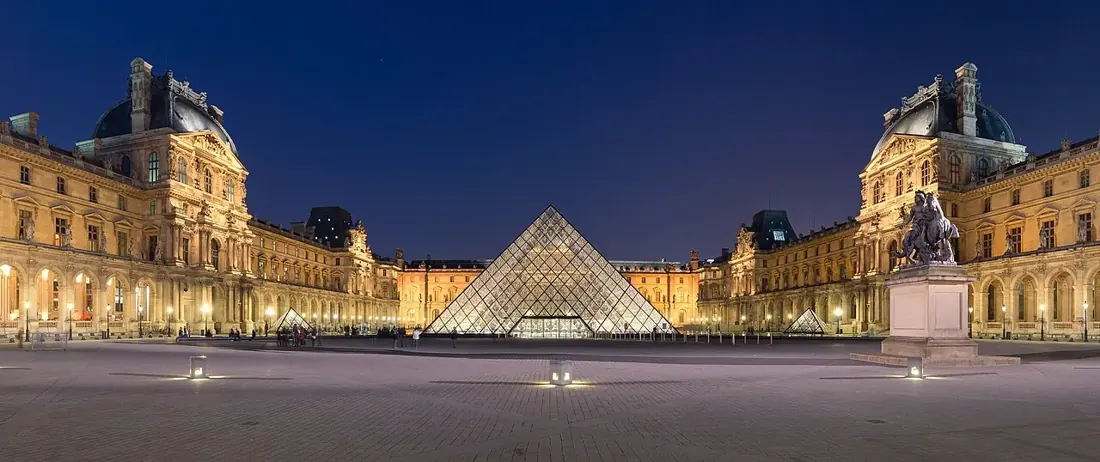
Leave time between visits to explore and take a break.
Choosing one scene from an entire night
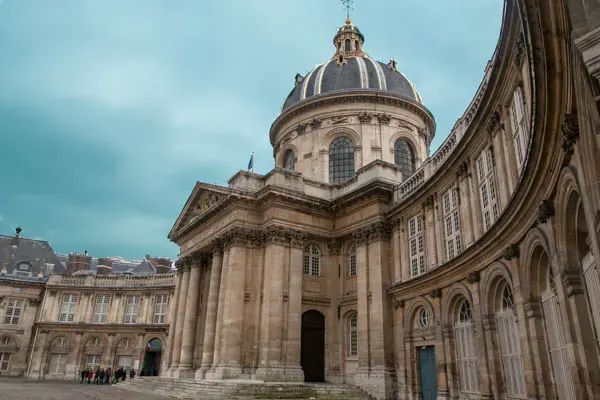
The Institut de France record offers a specific 2026 scene: the Bach-centred ÉCHO project, music and images in the Bibliothèque Mazarine courtyard. Its reported attendance above three thousand concerns that venue, not the whole Paris night. That distinction matters for a trustworthy archive.
Giving one project real attention can outlast rushing between ten addresses. Consider how long you want to stay with a work. A sound installation and a brief visual encounter do not ask for the same attention; you may want silence or a shared conversation.
A familiar building invites different observation at night. One venue’s closing is not the entire city’s closing. Leaving rest the following day can help you remember what you saw rather than make the experience smaller.
Bach en ÉCHO and a different reading of a place
The Institut de France’s 2026 account describes Bach moving from the dome to the courtyard through sound and visual projections. The interesting point is architecture becoming part of how the work is perceived, rather than merely its backdrop. At another art night, ask why a work matters in this particular place as well as which doors are open. Walking between addresses can then become a more meaningful discovery.
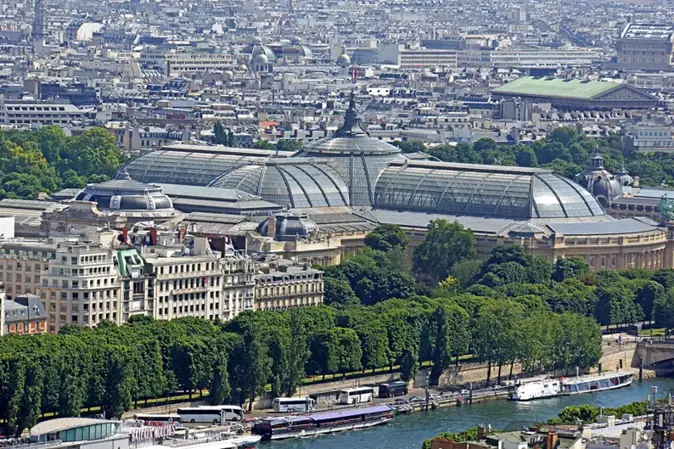
Fewer addresses, longer attention
Build the night around one anchor work and a nearby alternative instead of finishing the entire city. A light-based installation and a performance needing sustained listening may call for different rhythms. The heritage archive offers daytime architectural discovery; the night-return guide helps arrange departure from the final address. Being able to leave when tired remains valuable.
Carry a night-time perspective into daytime
After seeing a building become part of art, you might look more closely at city history. Carnavalet’s Paris stories guide offers another daytime reading. It continues curiosity in a different setting rather than recreating the night programme.
An editorial review based on official programmes and published results. It does not claim eyewitness attendance; travel suggestions are our analysis.

Your Paris plans. Your next journey.
Explore private transfers between your airport, hotel and event.
Plan your transfer
Sources and review date
Sources used for event information. Check the programme and ticket conditions on the relevant site before booking.
Sources last checked:
Guides to complete your visit
Explore our other guides to transport and discovering Paris.