What this edition leaves behind
The attraction of such a weekend is more than crossing a normally closed threshold. It is a chance to ask a familiar building new questions: who made it, what survives and what could disappear? The themes invited that reading. A citywide or national programme did not mean every property was continuously open without reservations. Confusing possible free admission with guaranteed access can turn a day into waiting outside. Understanding a few addresses may leave a more meaningful memory than collecting many entrances.
What can a future visitor learn?
For a future edition, choose an anchor site and a nearby alternative. Verify reservation slots, identification requirements and visit duration with each institution separately. Accessibility in a historic building cannot be inferred from a city map. Use the family visit guide to include breaks and attention spans. The Nuit Blanche archive shows a different artistic format: the same city, but different opening schedules and ways of visiting.
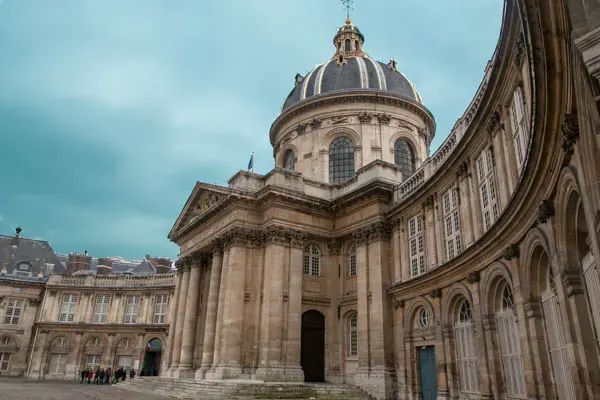
Leave time between visits to explore and take a break.
What to notice once the door opens
The 2026 themes of photography and endangered heritage invited more than admiration of an ornate façade. Compare an older view with the building today: what detail survived, and what use changed? The question shifts from “Have I seen it?” to “What did I notice?”
For another heritage visit, try writing just three details: where light enters, a trace of everyday use and a question for the guide. Specialist knowledge is not required. With children, a door handle or staircase can begin a better conversation than a long list of dates.
The public weekend on 19–20 September should not be merged with the school-focused programme on 18 September. Different programmes in one building may have different access conditions. The value of this archive is not a promise that a door will open again, but a way of looking more attentively when it does.
Questions inside matter as much as an open door
The photographic-heritage and heritage-at-risk themes encourage more than admiring an interior. Ask which detail survived and how an old photograph helps explain the building’s current use. Each institution has its own programme, so a shared theme is not a uniform exhibition. Reading the 2026 archive this way keeps the city’s history from shrinking to one monument.
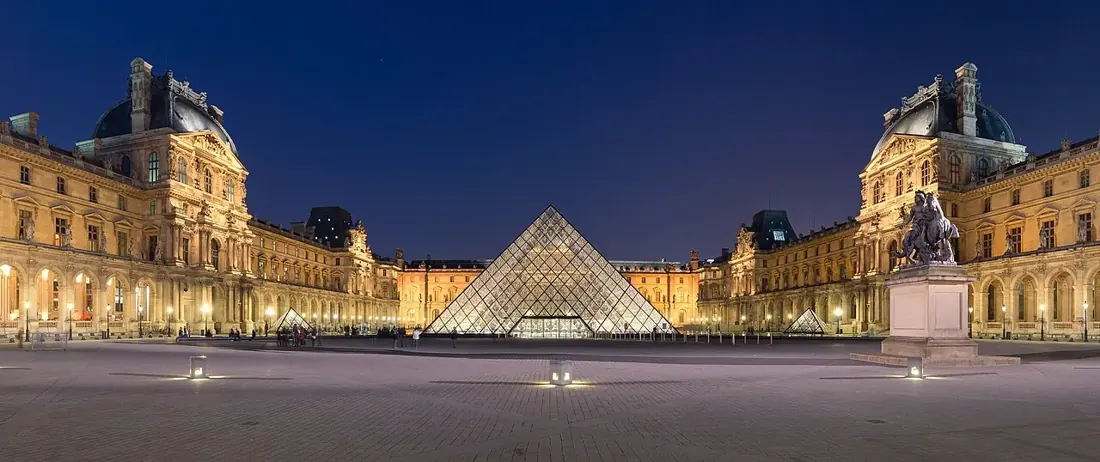
A compact plan for another heritage discovery
Two nearby addresses with a break may serve you better than queues at opposite ends of Paris. Anchor the first reservation and keep a second possibility flexible. The Nuit Blanche archive explores that curiosity differently through night and art. For a family visit, introducing a detail a child might enjoy before the building’s name can help everyone look more closely.
Follow heritage curiosity on another day
A museum focused on historical detail can carry the interest beyond one weekend. The Cluny medieval-details guide develops that choice. Normal visiting conditions need their own review; an exceptional heritage opening does not establish identical access on another date.
An editorial review based on official programmes and published results. It does not claim eyewitness attendance; travel suggestions are our analysis.

Your Paris plans. Your next journey.
Explore private transfers between your airport, hotel and event.
Plan your transfer
Sources and review date
Sources used for event information. Check the programme and ticket conditions on the relevant site before booking.
Sources last checked:
Guides to complete your visit
Explore our other guides to transport and discovering Paris.