What this edition leaves behind
An automotive fair leaves more than a memory of polished bodywork. Consider two visitors: one curious about new technology, another questioning how it fits everyday life. They can look at the same car and ask entirely different questions. Design may attract the first while luggage space, seating and practical use matter to the second. The closing figure shows interest in the event, not suitability of a vehicle for your trip. A displayed model must also be distinguished from a service actually available to buy or hire.
What can a future visitor learn?
For a future fair, write down three subjects and ask comparable questions at each stand. Match photographs with stand names so details retain their context afterwards. The method also helps on a professional fair visit. Instead of letting a business journey end in an exhausted evening, consider the balance in our work and city discovery guide. This archive concerns the 2026 edition. It does not automatically roll forward dates or vehicle catalogues for another year.
Choose your priority meetings rather than filling every moment.
The question left behind by polished bodywork
The closing report records 518,372 visitors and 6,000 test drives. These describe different scales of experience: seeing innovation with a crowd and comparing it with everyday use behind a wheel. They do not mean every visitor drove a car or admired the same models. A stand photograph and an answer about your own life are different souvenirs.
A family might examine the boot opening and rear-seat access; a commuter might ask about charging and running costs. At another motor show, try those two viewpoints on the same model. Write down three genuine needs before asking whether a demonstration answers them. Back home, you can explain what you learned rather than simply saying it looked impressive.
This retrospective is not a vehicle sales or rental page. It connects curiosity about cars with a Paris visit. Leaving a quieter city moment after a large show can help turn thousands of impressions into a memory of your own.
Three ways of looking at the same car
Beyond its closing attendance figure, the 2026 edition invites a distinction between visitor intentions. A design enthusiast may study lines and interiors; an everyday user, belongings and seating; a professional, operation and service needs. One model can mean different things to all three. That is a reason to read the fair as several discoveries rather than one universal best-car list.
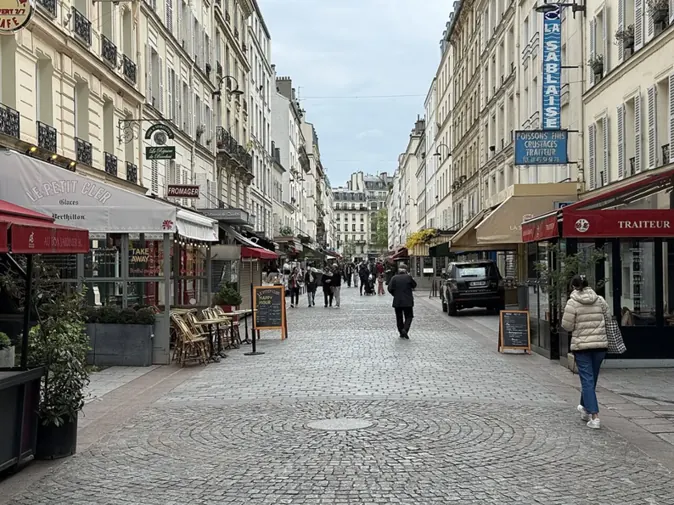
Turn a photo album into a comparison notebook
At a future automotive visit, try writing what attracted you alongside each photograph. A note about rear seating or storage remains more useful months later than “beautiful”. Establish separately whether a displayed concept and an available product share the same scope. The Foire de Paris archive offers a different comparison setting; the professional fair guide turns notes into follow-up questions.
The first evening of another fair trip
Arrival day can shape the rhythm of a fair-led break. The first evening after arriving in Paris guide helps you consider a gentler beginning. Giving automotive discovery and city time separate spaces can let you enjoy each with more attention.
An editorial review based on official programmes and published results. It does not claim eyewitness attendance; travel suggestions are our analysis.

Your Paris plans. Your next journey.
Explore private transfers between your airport, hotel and event.
Plan your transfer
Sources and review date
Sources used for event information. Check the programme and ticket conditions on the relevant site before booking.
Sources last checked:
Guides to complete your visit
Explore our other guides to transport and discovering Paris.